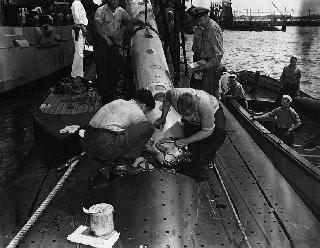
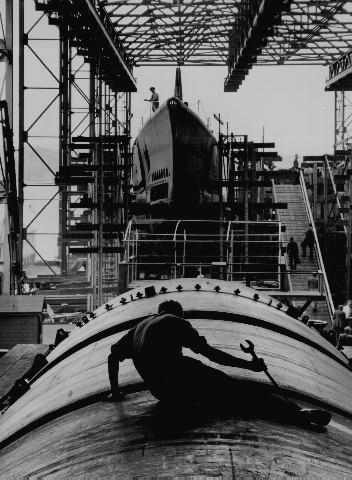
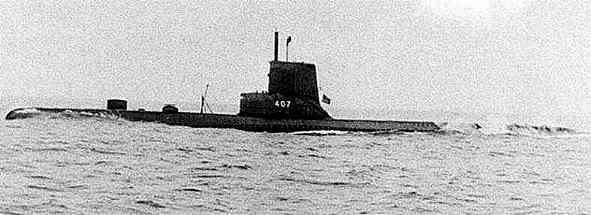
Submariners There are stories told about knights of old and the shooting of Dan McGrew And the classic tale of the great white whale still thrills us through and through. There’s Farragut and John Paul but the saltiest of them all Were the boys in blue from World War Two who answered Freedom’s Call. Now I won’t boast so I’ll drink a toast to the boys who went down under, With Navy pride they fought and died when their boats were ripped asunder. They learned their trade, our debt they paid in the world beneath the sea And there they sleep in waters deep, a part of history. Those noble ships with sonar blips once fought their way to Glory And the men inside, because they died, left none to tell their story. Proud Argonaut, you had your shot , you and the Amberjack, 'Twas near Rabaul you gave your all and never more came back. Pompano, you and Runner, too, were lost in forty-three, Your gallant crew went down with you, defending liberty. The Pickerel too, the sleek Wahoo, the Grampus, and the Herring, The Albacore, all lost in war, have taken their last bearing. So many more, subs by the score, went to their watery grave, In silence deep, they lie asleep, the young lads and the brave, But this I know, somewhere below lie those who paid the price, Our debt is paid because they made the final sacrifice. Robert L. Harrison, October 16, 1997 Greenfield, Indiana |